

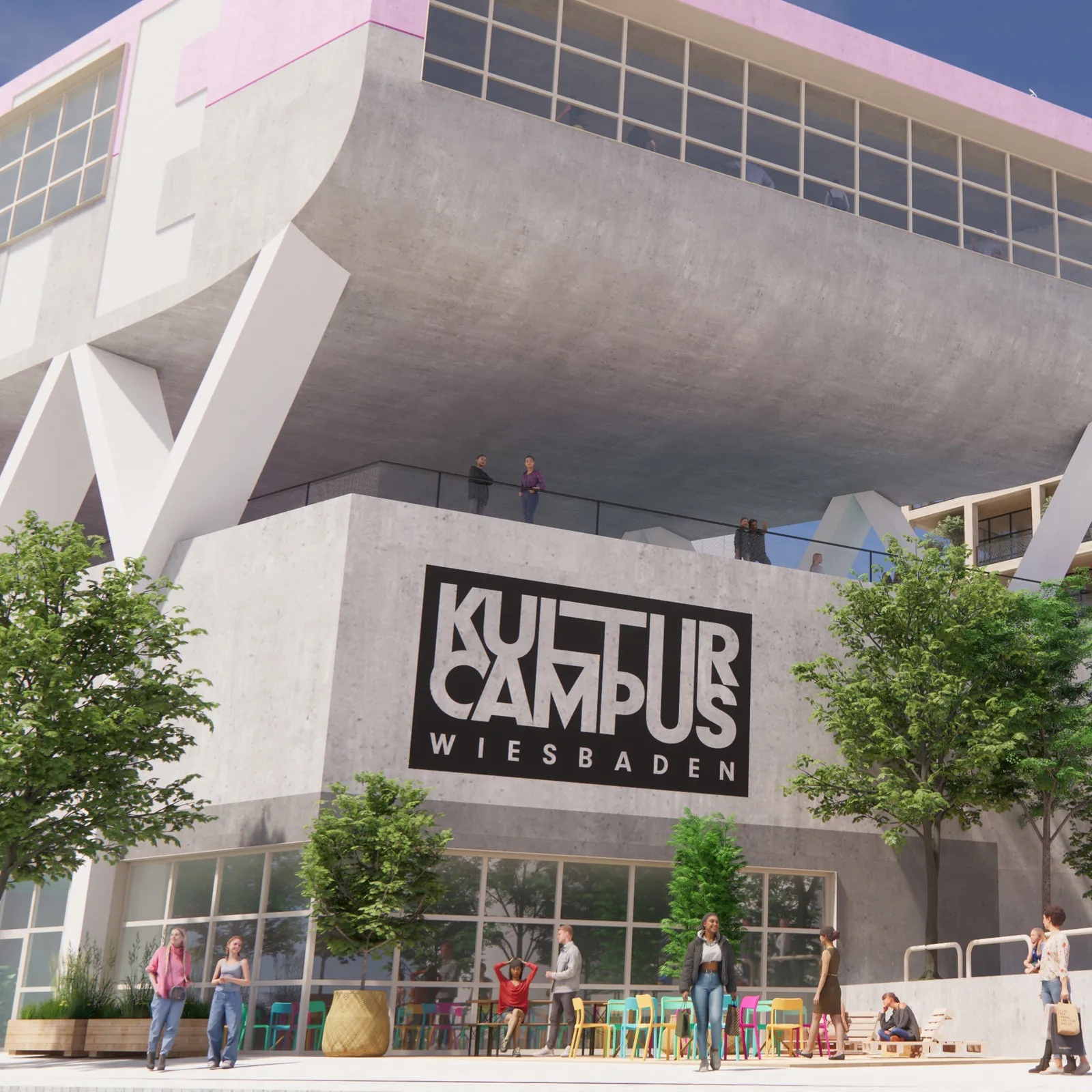
Wiesbaden is on the verge of a cultural project with the potential to reach far beyond the city itself. The envisioned Kulturcampus—to be developed on the former Schlachthof site—aims to create a new urban cultural hub where art, music, creative industries, and community life intersect. The concept envisions a vibrant campus with studios, rehearsal spaces, skating hall, socio-cultural centers, galleries, performance venues, and public spaces designed to foster collaboration and cultural production.

At the heart of this vision stands a project with truly international potential: the European Hip Hop Museum.
More than a traditional museum, the European Hip Hop Museum is conceived as a dynamic platform that makes hip-hop culture interactive, multimedia, and globally connected. It would document the roots of hip-hop in New York while telling the story of its spread and transformation across Europe. With exhibitions, educational programs, and international collaborations, the museum aims to highlight hip-hop’s enormous cultural, social, and economic impact.

What makes Wiesbaden a credible and exciting location for such a museum is its history. The idea grows directly out of the Wall Street Meetings of the late 1990s and the global graffiti network Meeting of Styles.
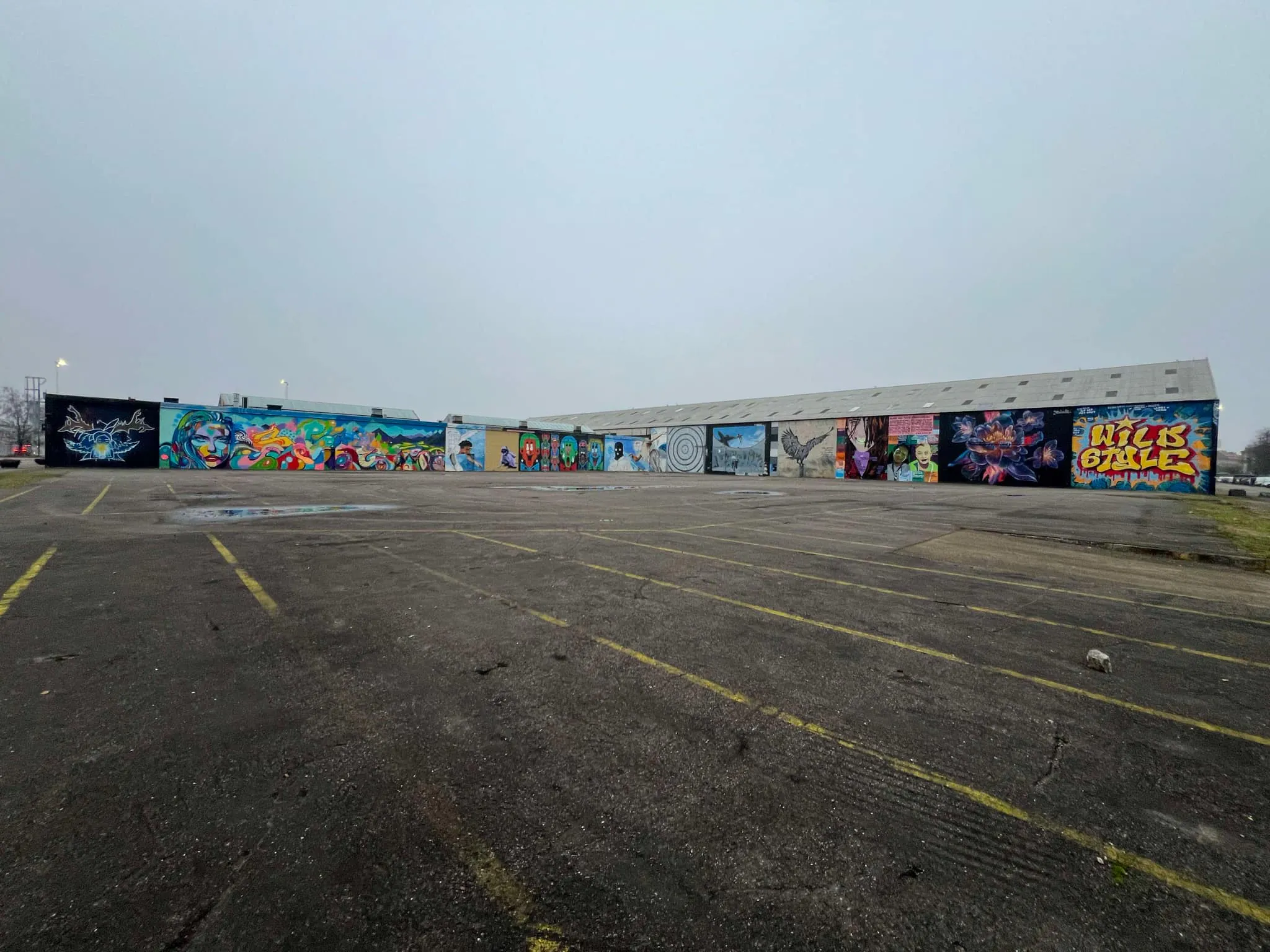
In the early 1990s, the Schlachthof area in Wiesbaden became home to one of Europe’s most famous graffiti halls of fame. When demolition plans threatened the site, the International Wall Street Meeting was created as a large-scale gathering of graffiti artists and urban culture. Thousands of visitors and artists from around the world came to Wiesbaden, transforming the city into a meeting point for the international graffiti scene.


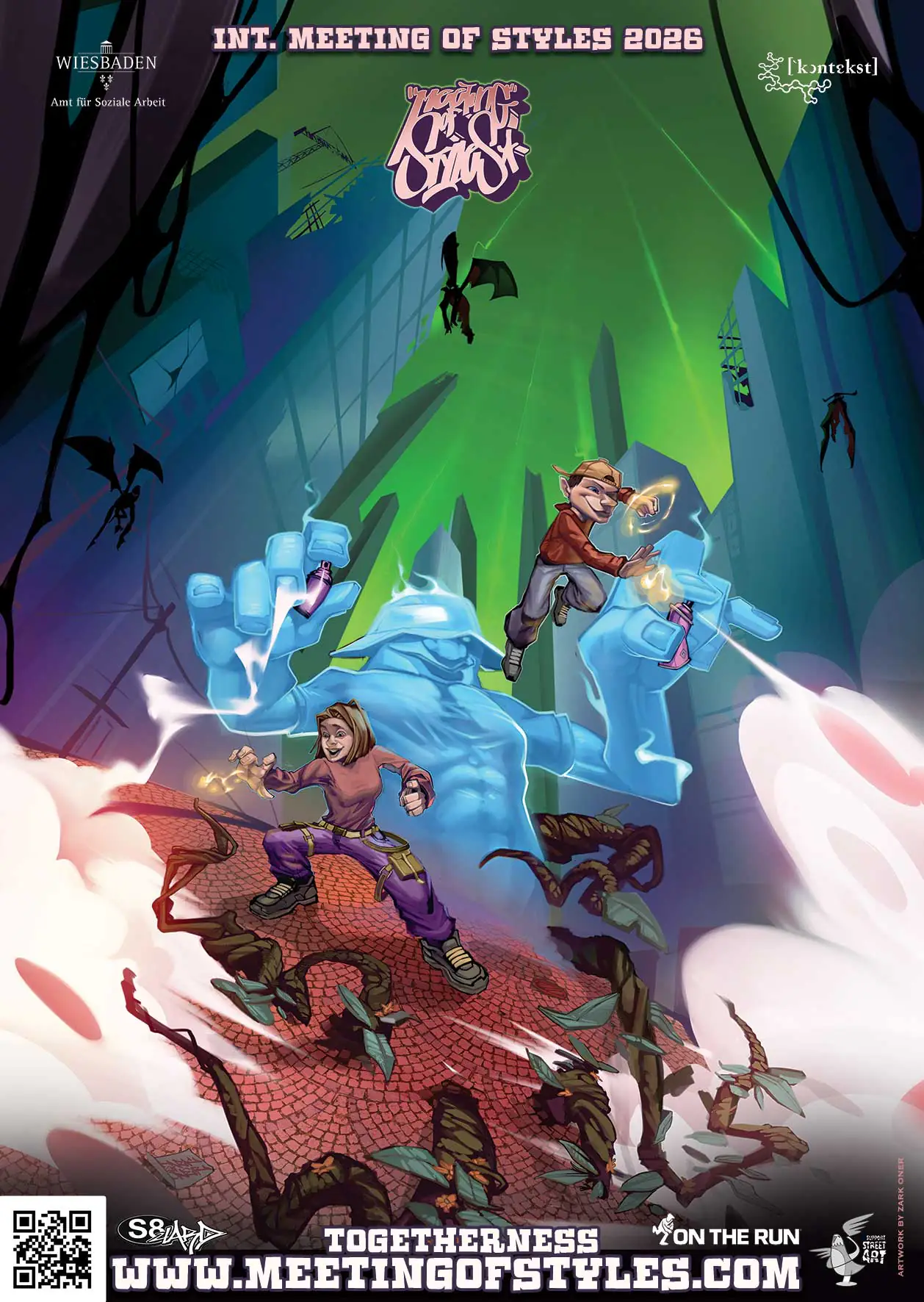
Out of this movement, Meeting of Styles was founded in 2002. What started in Wiesbaden has since grown into one of the most influential global networks for graffiti and street art, organizing events in dozens of countries across Europe, the Americas, and Asia. Today the project connects thousands of artists worldwide and regularly attracts international audiences.
This history gives the proposed museum something rare: authenticity. The European Hip Hop Museum would not be an isolated cultural institution created without context. Instead, it would grow out of a real cultural movement that already has deep roots in Wiesbaden and strong global connections.
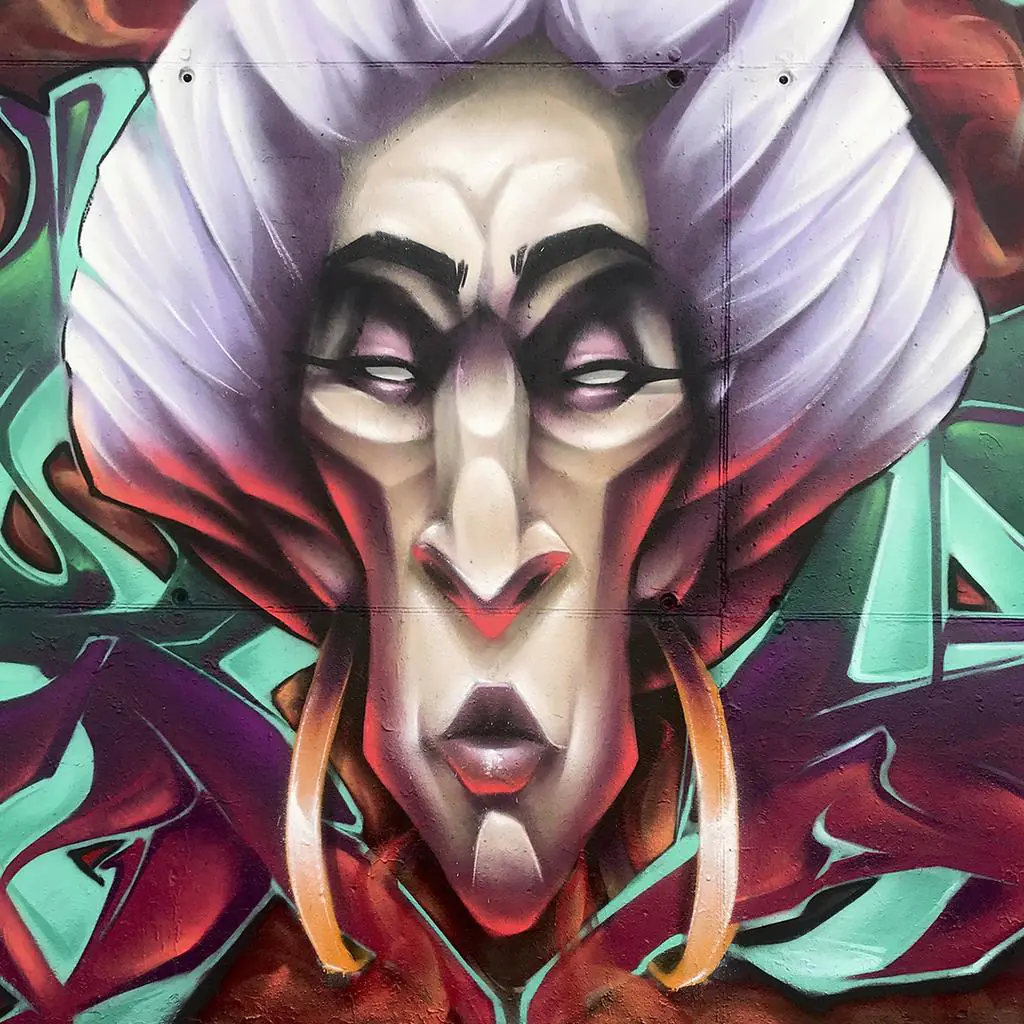
With its international network, artistic credibility, and the broader framework of the Kulturcampus, the museum has the potential to become a European reference point for hip-hop culture—a place where history, creativity, education, and global exchange come together.
If realized, the Kulturcampus and the European Hip Hop Museum could transform Wiesbaden into a new cultural landmark: a meeting place for artists, researchers, and audiences from around the world, and a powerful symbol of how urban culture can shape the future of cities.

Author: MoS
MOS Orga.